
Perennials
What is a Perennial?
Botanically, perennials should really be called ‘herbaceous perennials’ as the parts of the plant above the ground die down whilst the roots live for three years or more.
Some perennials are useful in having evergreen leaves so provide interest in the winter.
Some perennials are only short-lived, perhaps living for 3 or 4 years. These are generally the ones that self seed freely.
How can perennials be used in the garden?
Perennials can be used in a purely ‘herbaceous’ border i.e. one which contains only herbaceous perennials, but they are mostly commonly combined with shrubs, trees, bulbs and other plant types to create a mixed border.
There is a wide range of perennials in terms of height, form, colour, texture, season of interest and scent. The best planting schemes, in my opinion, offer a contrast of height, form, texture and season of interest. Planting schemes can be based around a colour scheme e.g. hot colours or cool colours depending on the effect you want to create.
Examples of perennials
Click on any of the images below to enlarge and read more
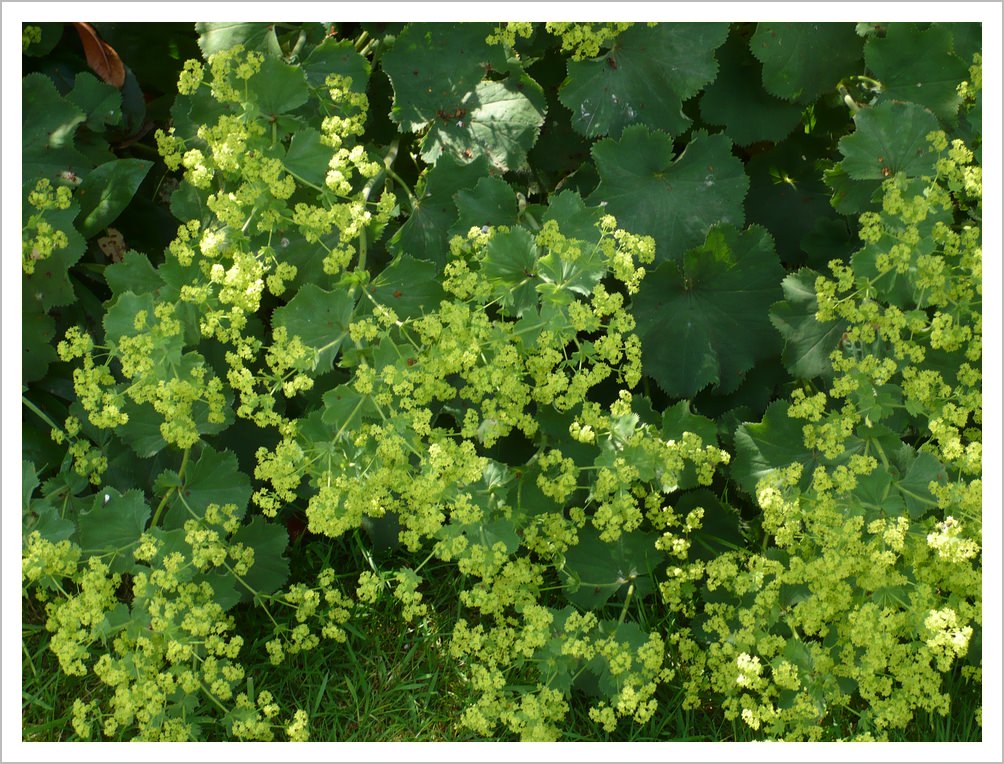
Alchemilla mollis has lemon yellow flowers over soft leaves that catch water droplets
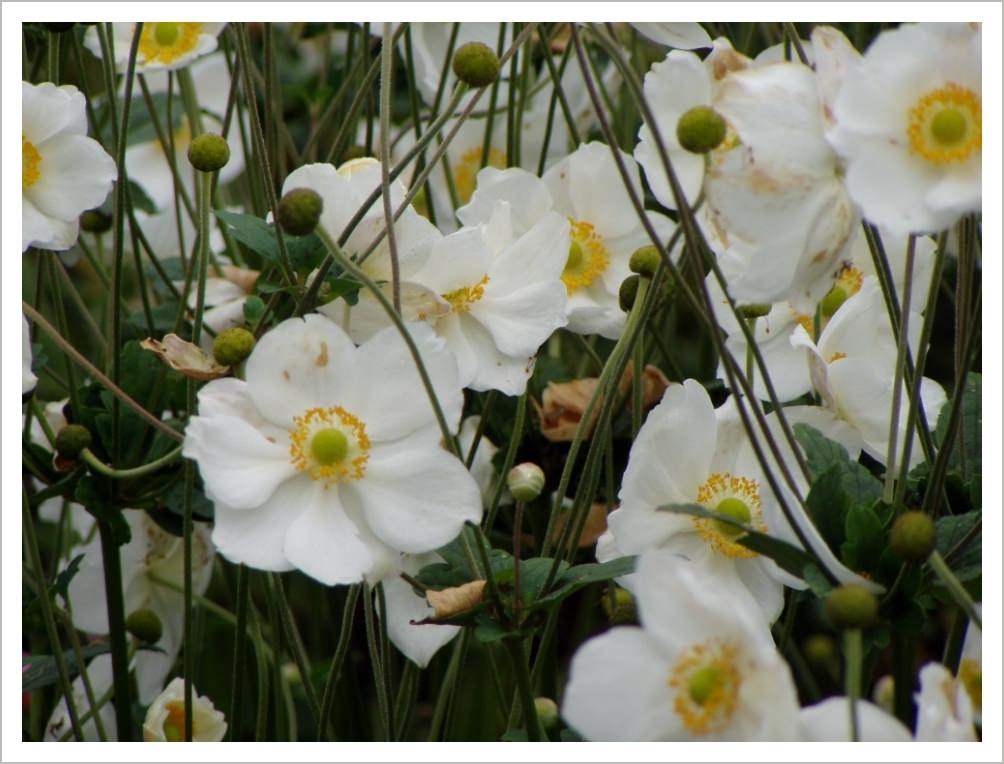
Anemone x hybrida ‘Honorine Jobert’ is a late summer flowering perennial with beautiful white flowers. It prefers some shade if the soil is not kept moist. In the right conditions it will spread so only plant it if there is enough space for it to do so. It is difficult to eradicate if you change your mind!
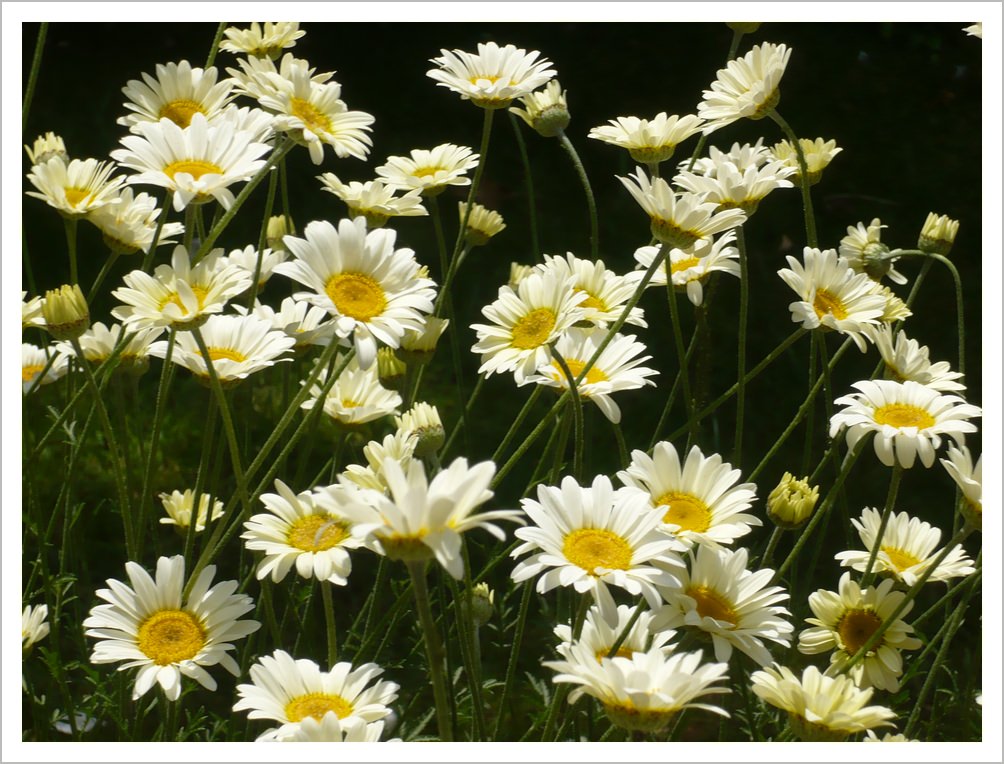
Anthemis tinctoria ‘Sauce Hollandaise’ is a pretty daisy-like perennial with soft cream flowers in midsummer.
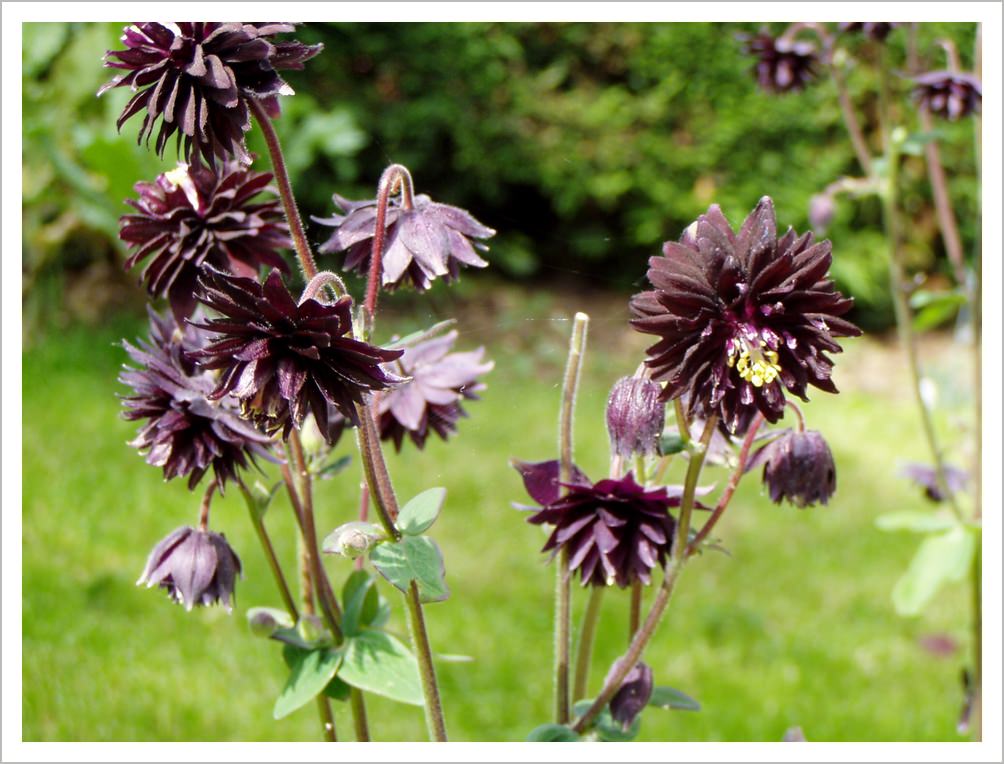
Aquilegia vulgaris ‘Black Barlow’ has pretty double dark purple/black flowers in spring.
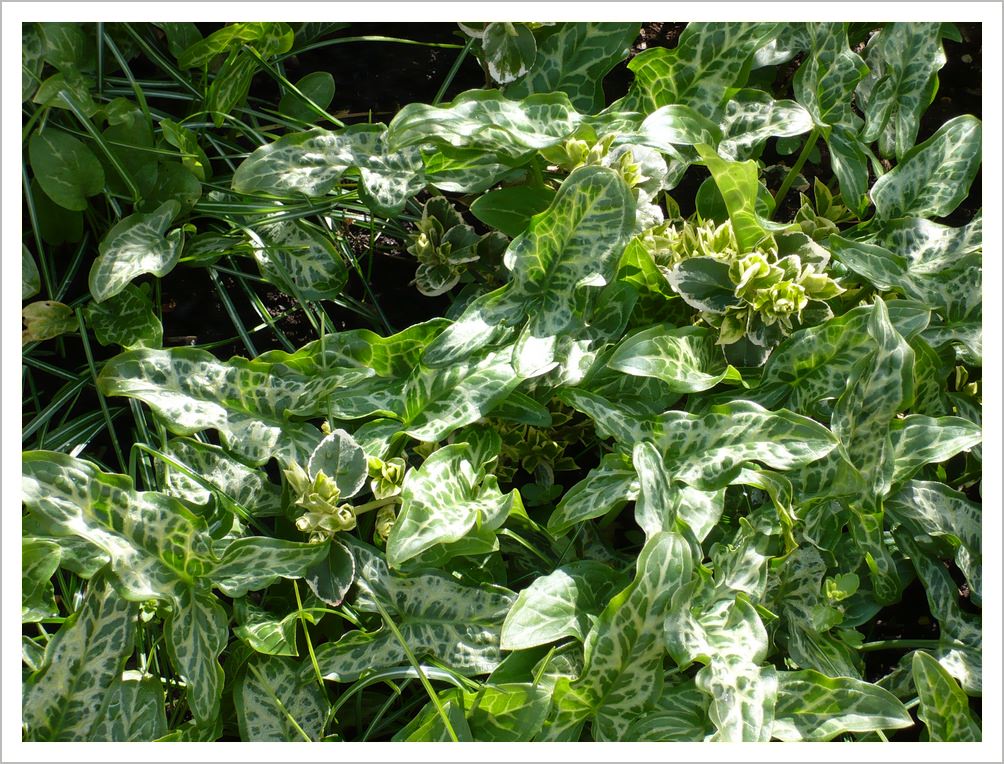
Arum italicum likes shady conditions and has arrow shaped leaves in winter and upright berry shoots in late summer. Nb This plant is toxic.
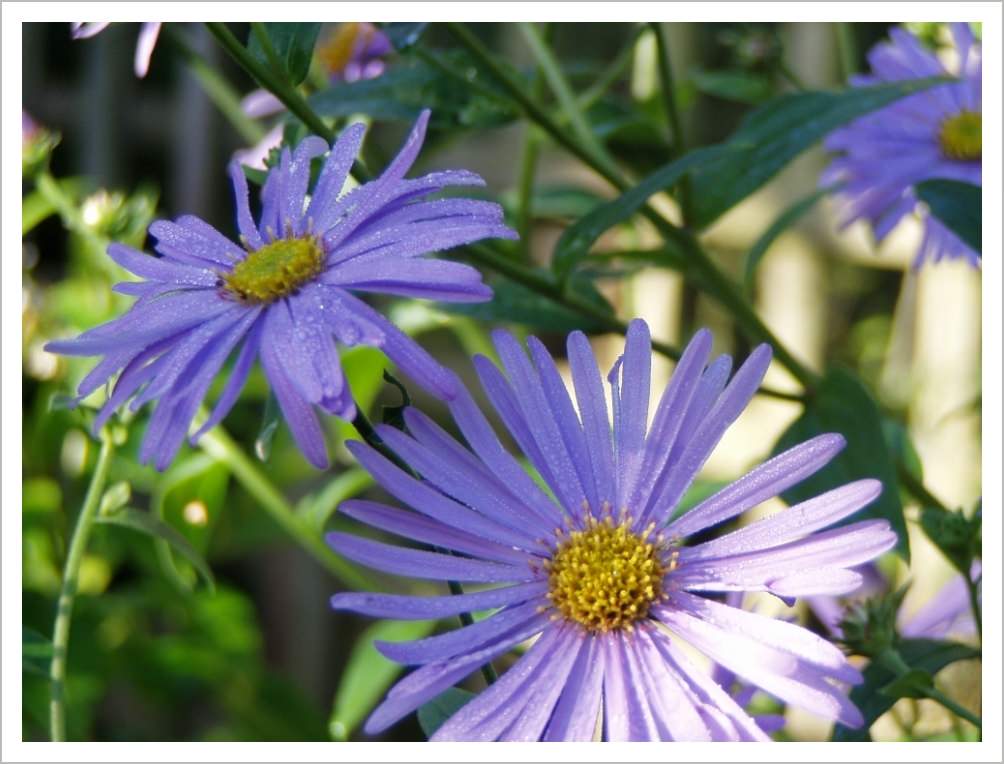
Aster x frikartii ‘Monch’ is a pretty late summer flowering perennial with lavender blue daisy shaped flowers with yellow centres. If you cut them down by half in May they will grow more dense and shorter so you should not need to stake them.
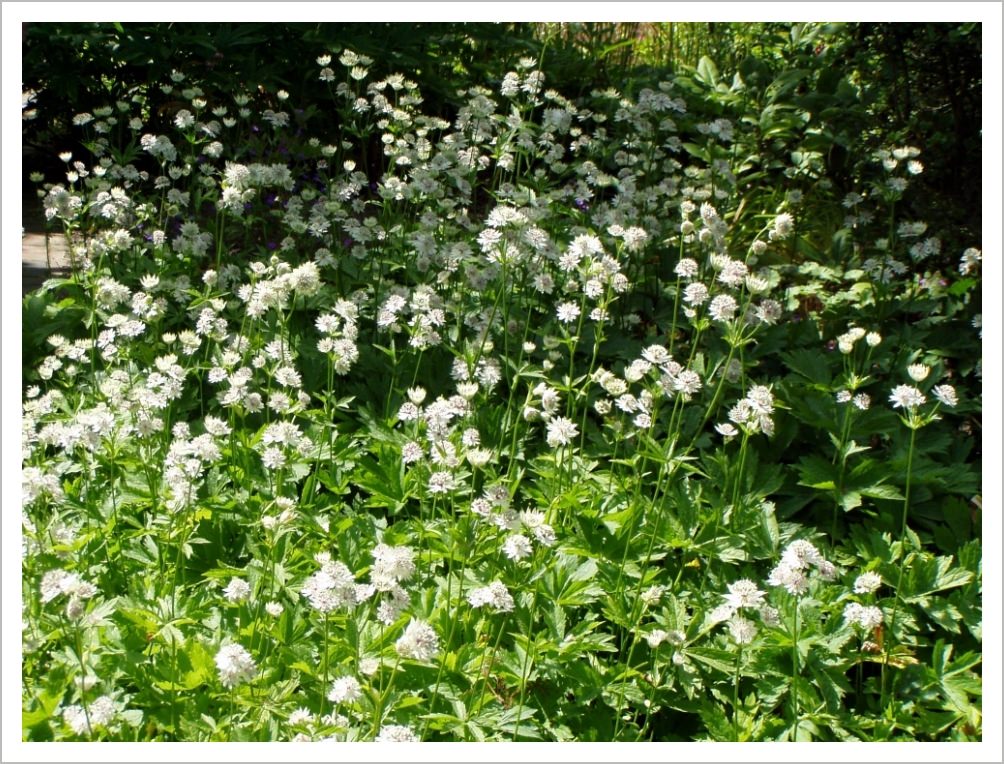
Astrantia flowers in early summer and is a pretty plant for a shady, moist border.
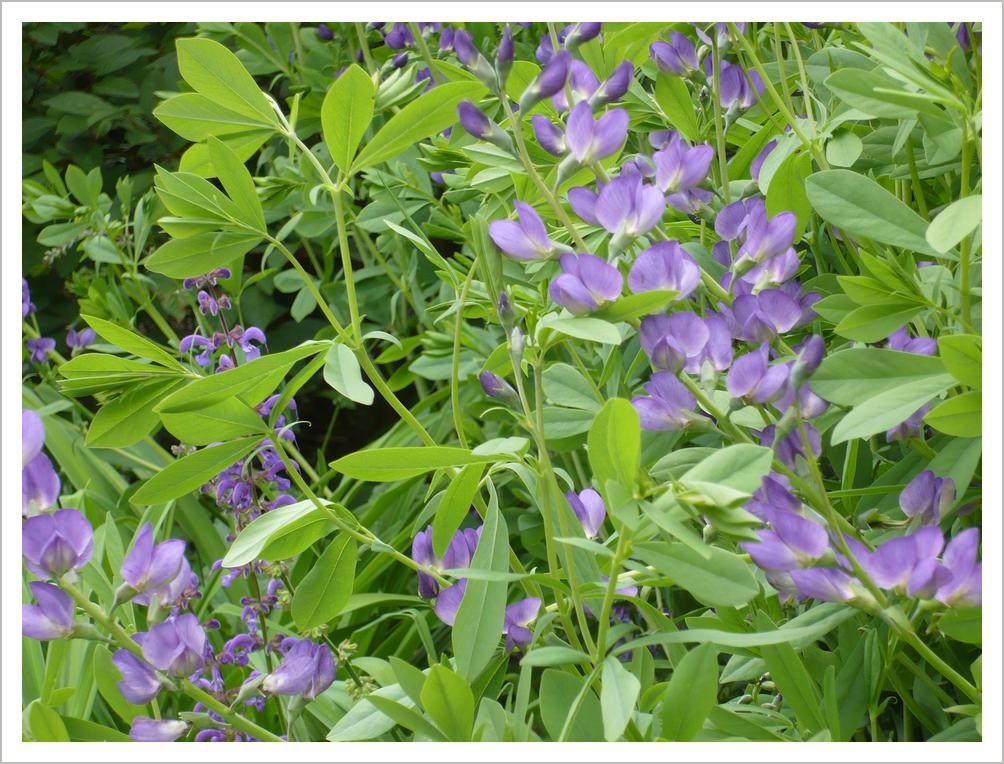
Baptisia australis is a tall perennial with spires of lilac flowers in midsummer.
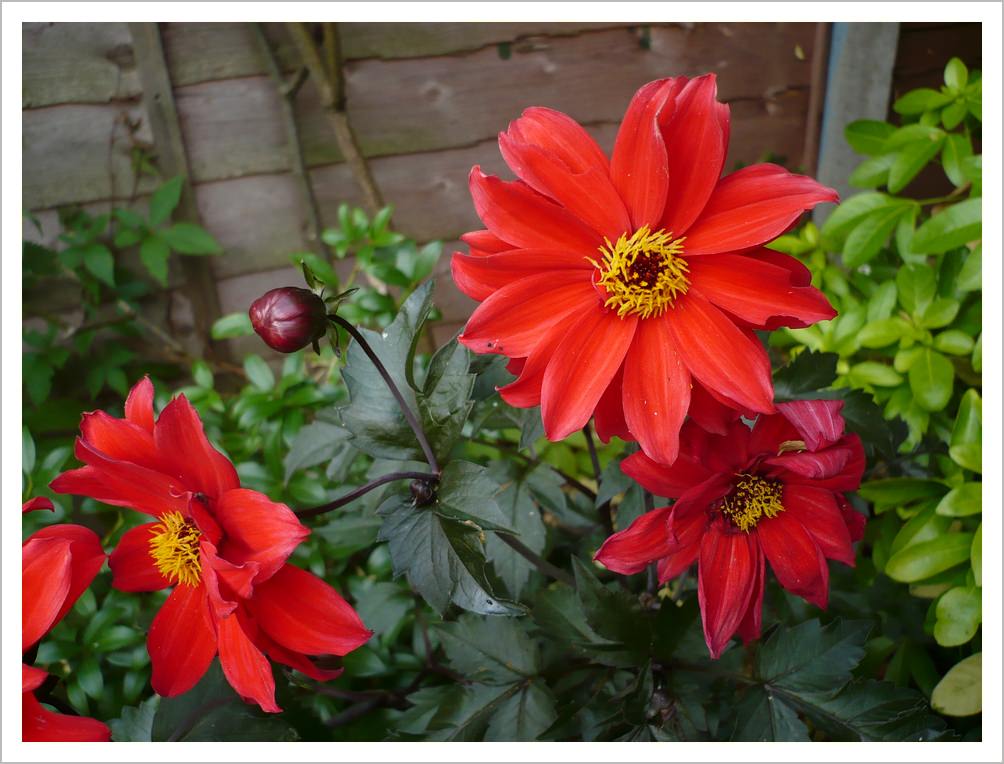
Dahlia ‘Bishop of Llandaff’ has bright red flowers in late summer. Advice is often to lift the tubers but mine have stayed in the ground on well drained soil for the last three years with no detrimental effect.
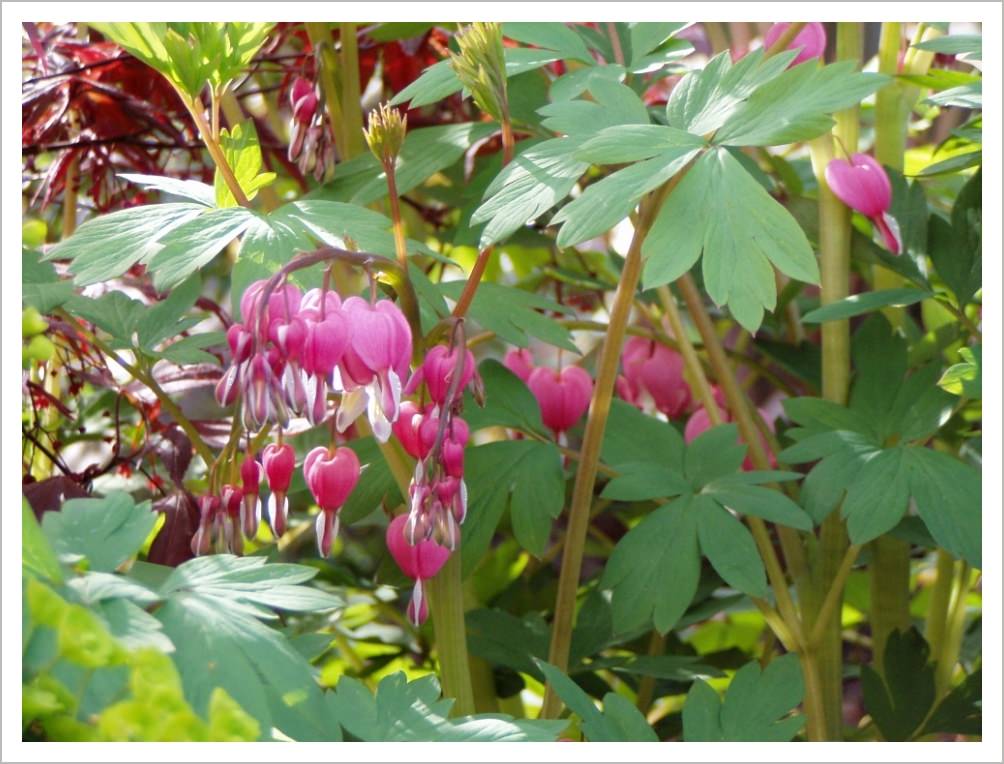
Dicentra spectabilis flowers in spring with pink/white flowers that hang down like pendants. It prefers a shady spot.
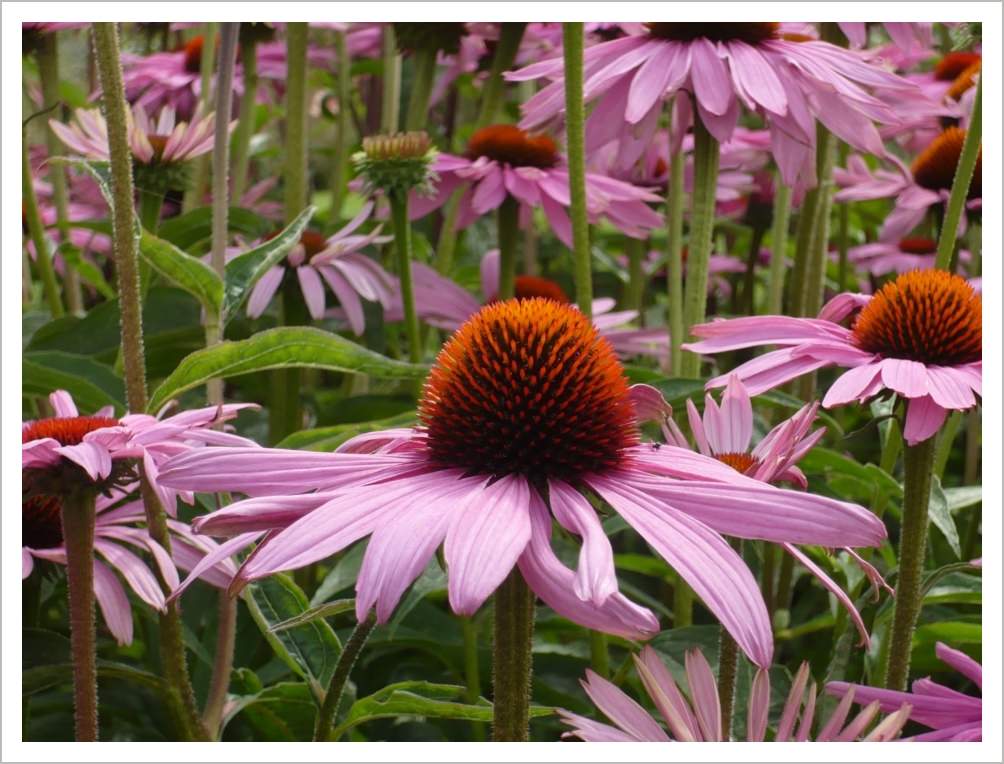
Echinacea purpurea ‘Magnus’ is a late summer flowering perennial with pink wide daisy like flowers with orange/red centres. It likes a sunny spot and attracts bees and butterflies.
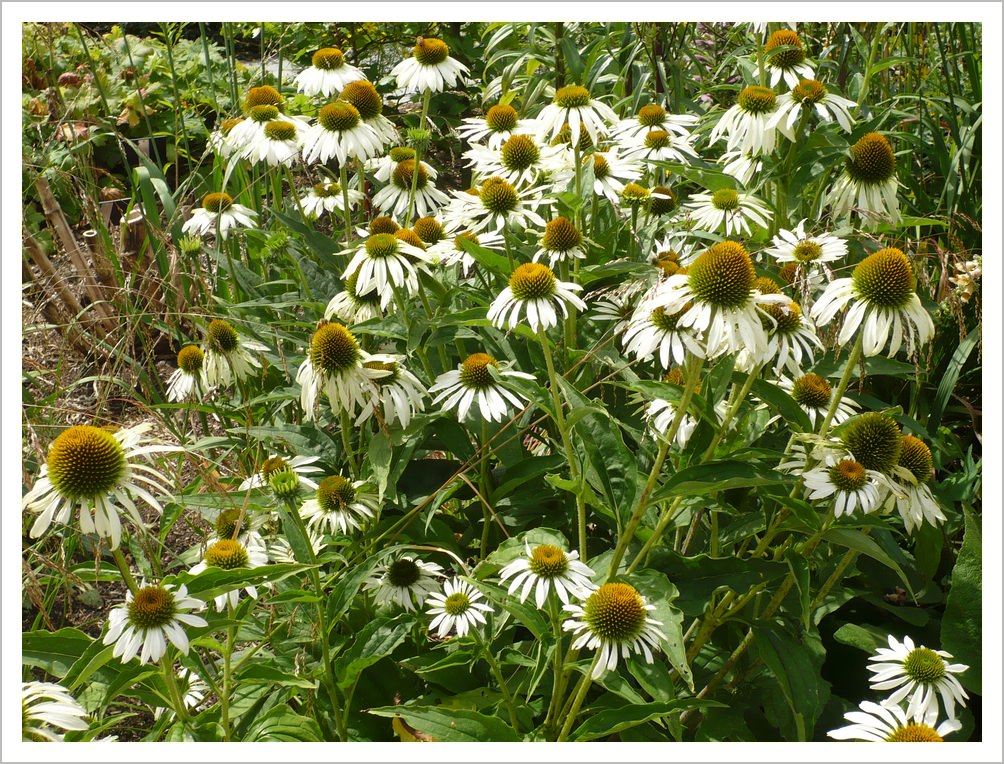
Echinacea purpurea ‘White Swan’ is a late summer flowering perennial with white daisy like flowers and orange/brown centres. It likes a sunny spot and attracts bees and butterflies.
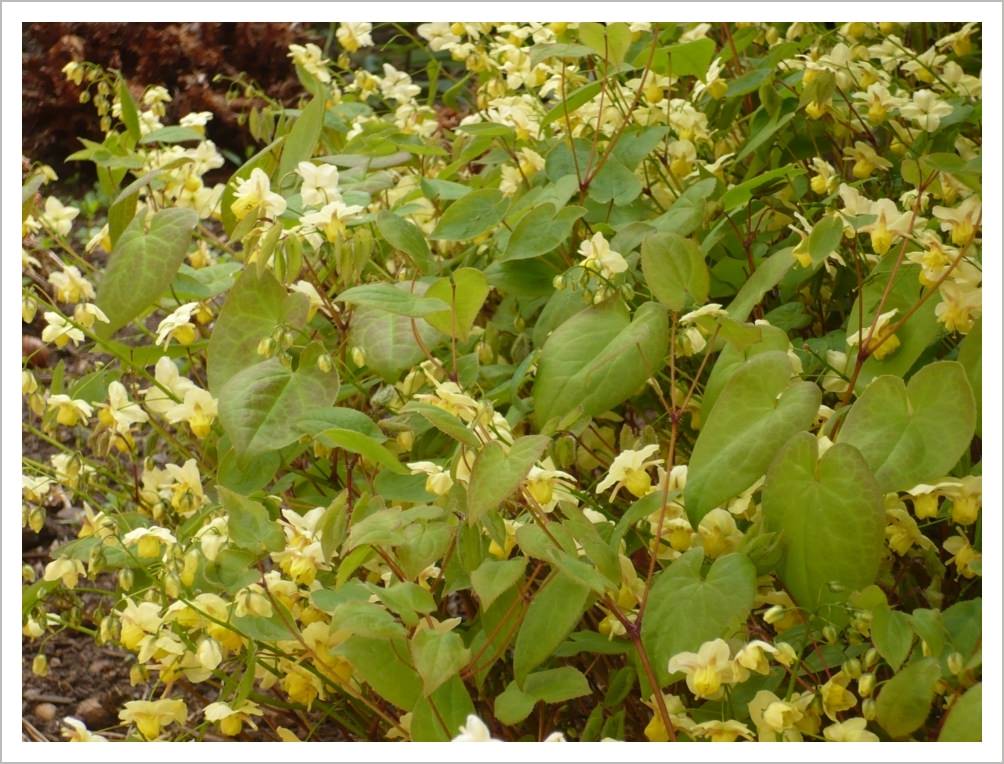
Epimedium x perralchicum ‘Frohnleiten’ is a good evergreen perennial for a shady spot. It has pretty yellow flowers in spring and attractive green/bronze foliage.
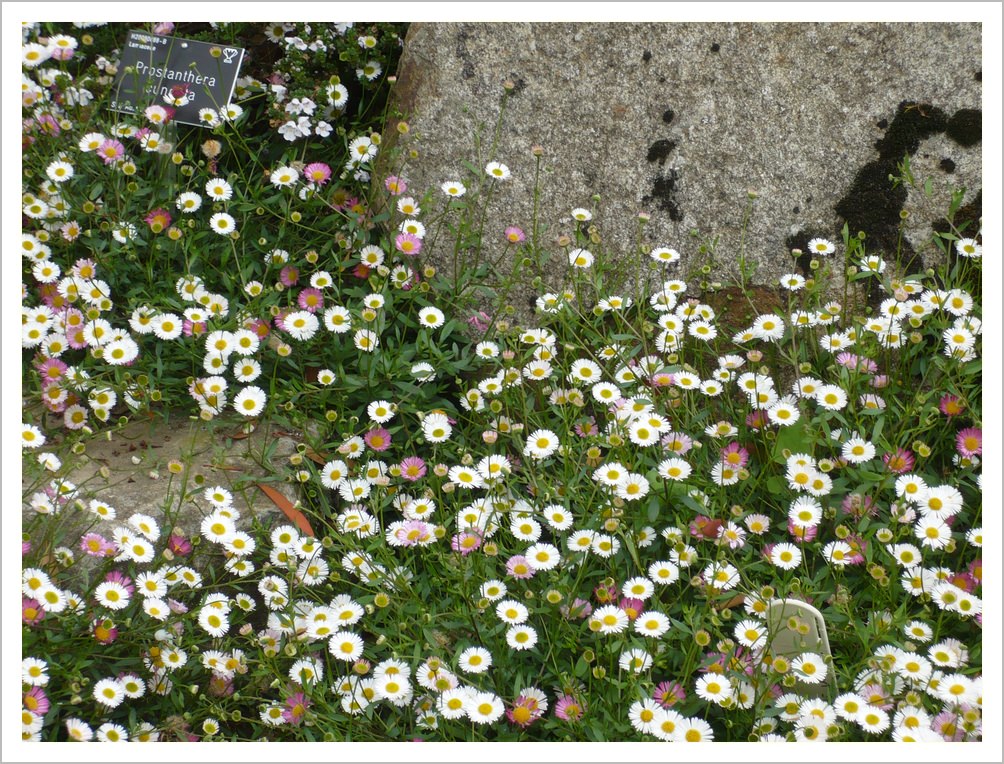
Erigeron karvinskianus is a pretty low growing perennial with white/pink daisy-like flowers in mid to late summer.
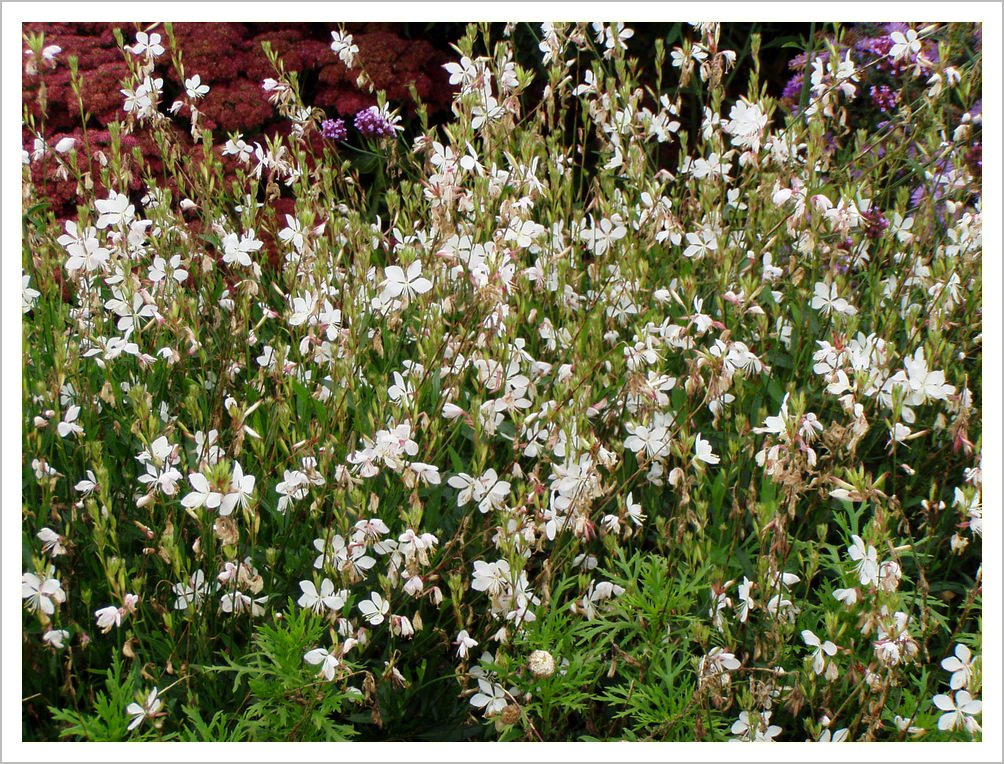
Gaura ‘Whirling Butterflies’ has slender stems with pretty white flowers in late summer.
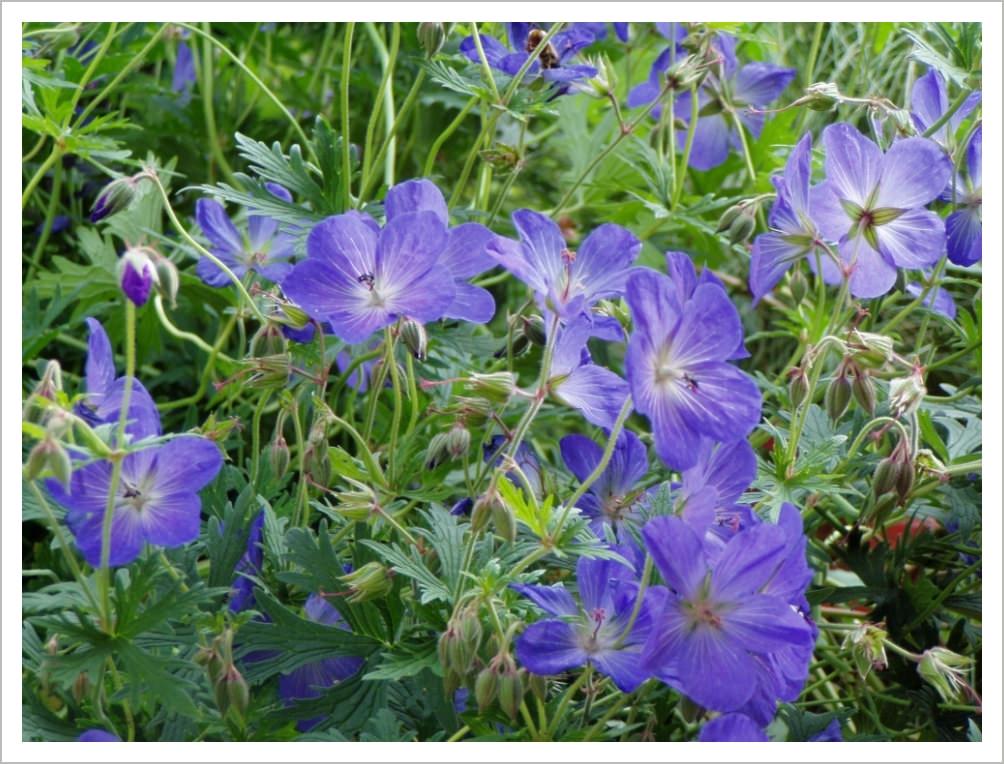
Geranium 'Johnson’s Blue' has lilac flowers in early summer. It is good for the front of a border or hanging over a raised bed. If you cut it back after the first flush of flowers, it will reward you with re-growth and a second flush of flowers later in the year.
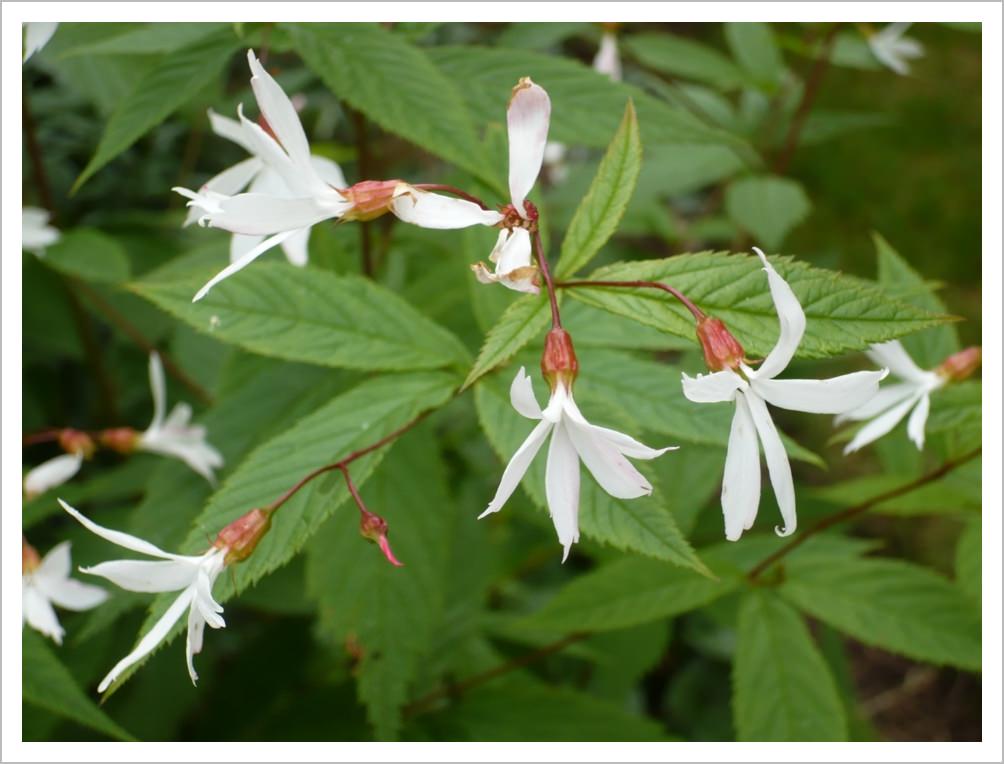
Gillenia trifoliata has masses of pretty white star shaped flowers in midsummer. The foliage turns a lovely red colour in the autumn. It likes a partly shaded spot.
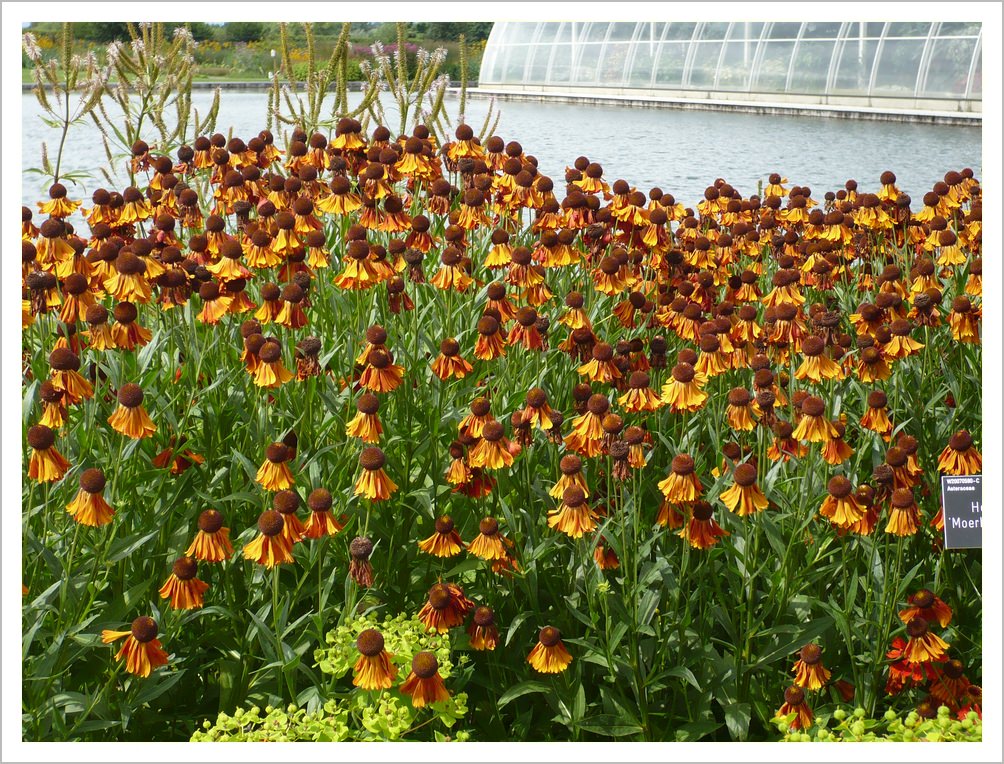
Helenium ‘Moerheim Beauty’ has daisy-like red flowers in mid to late summer on tall stems.
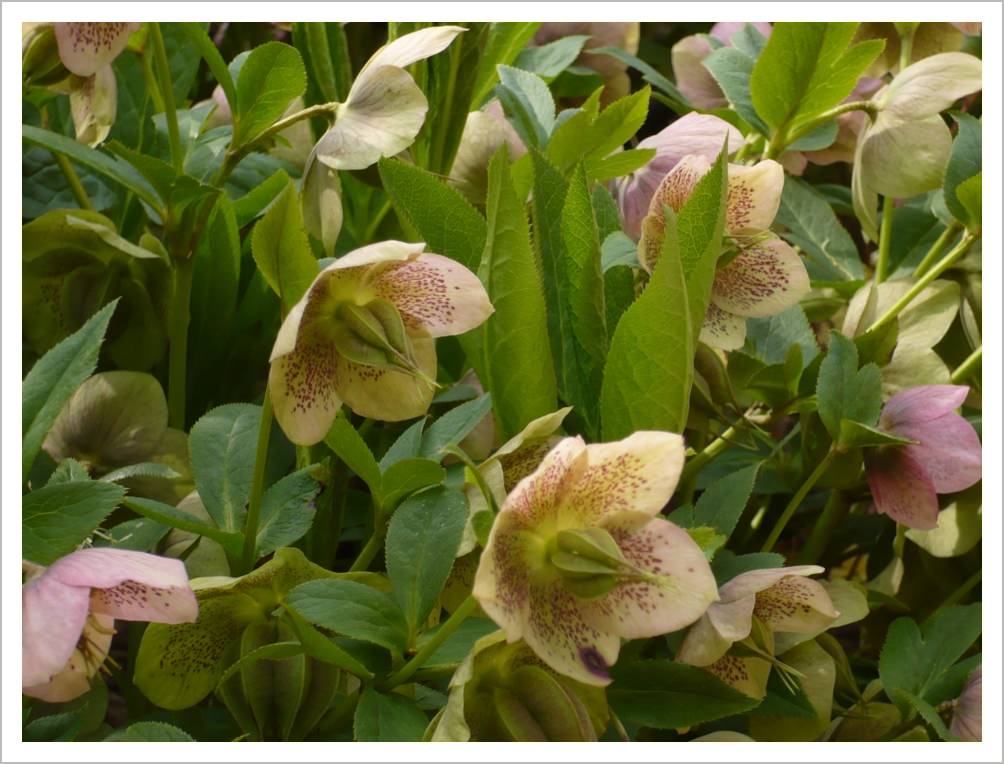
Helleborus niger is perfect for brightening up a garden in winter. It flowers from January to April and looks good planted in groups in a shady spot. You need to cut the leaves down in winter as the buds emerge.
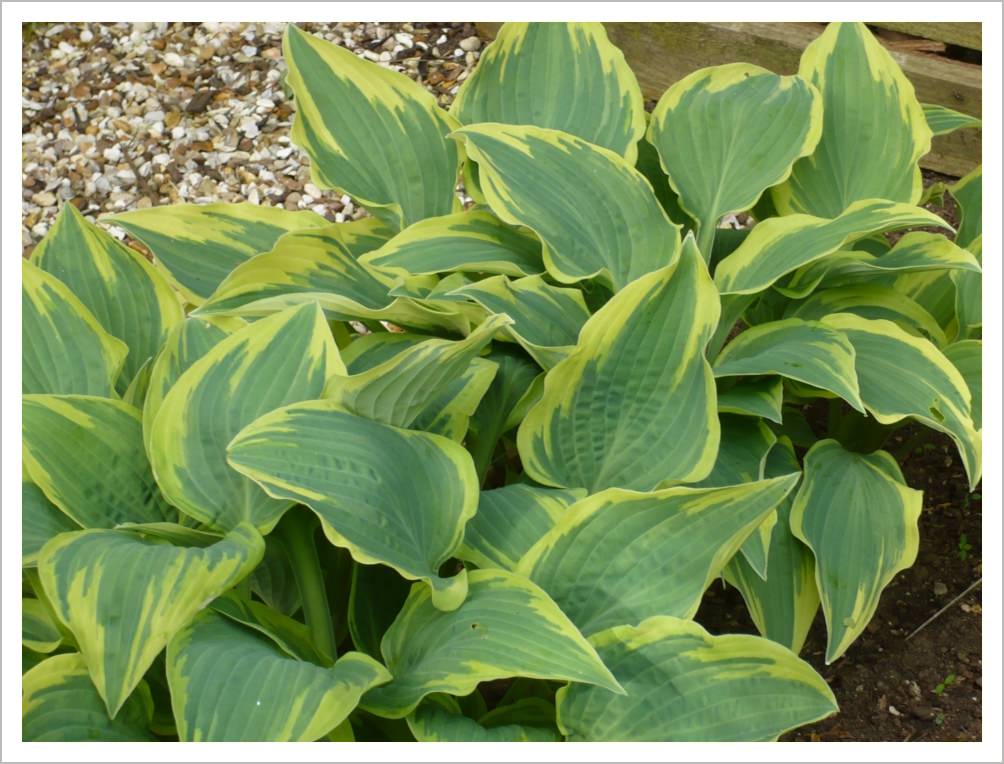
Hostas come in many shapes and sizes from very small to enormous with large leathery leaves covering a metre or more. They need moist shade to do well and you need to be prepared to defend them against slugs.
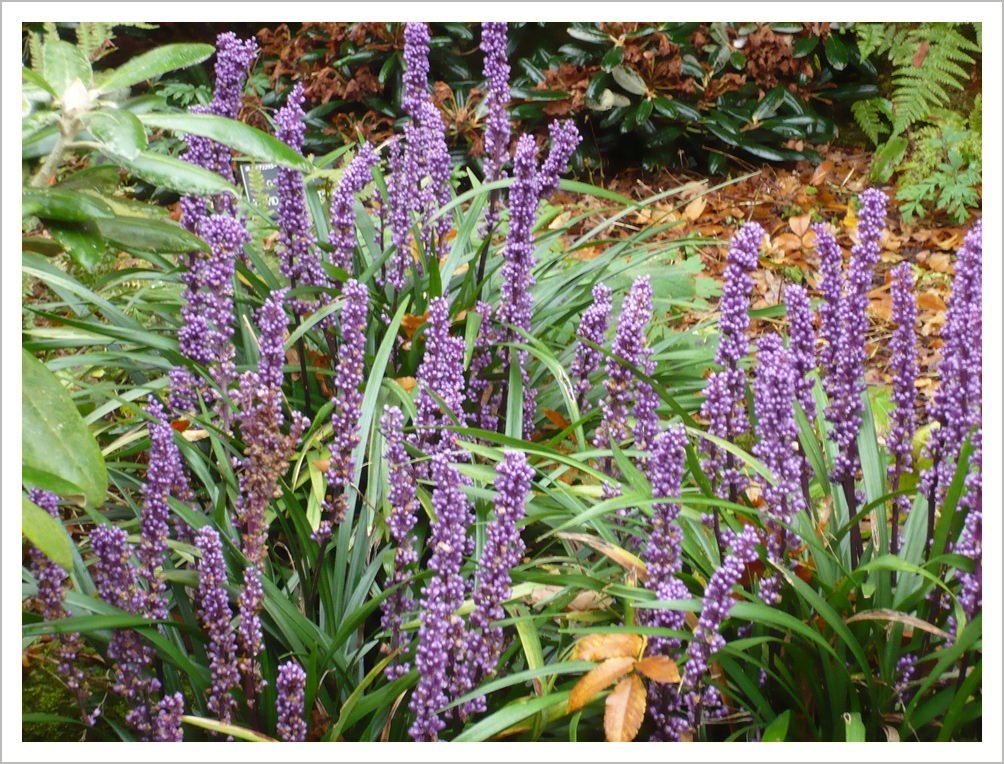
Liriope muscari is a low growing perennial with strappy leaves and purple flower spikes in autumn. It is useful for dry shade.
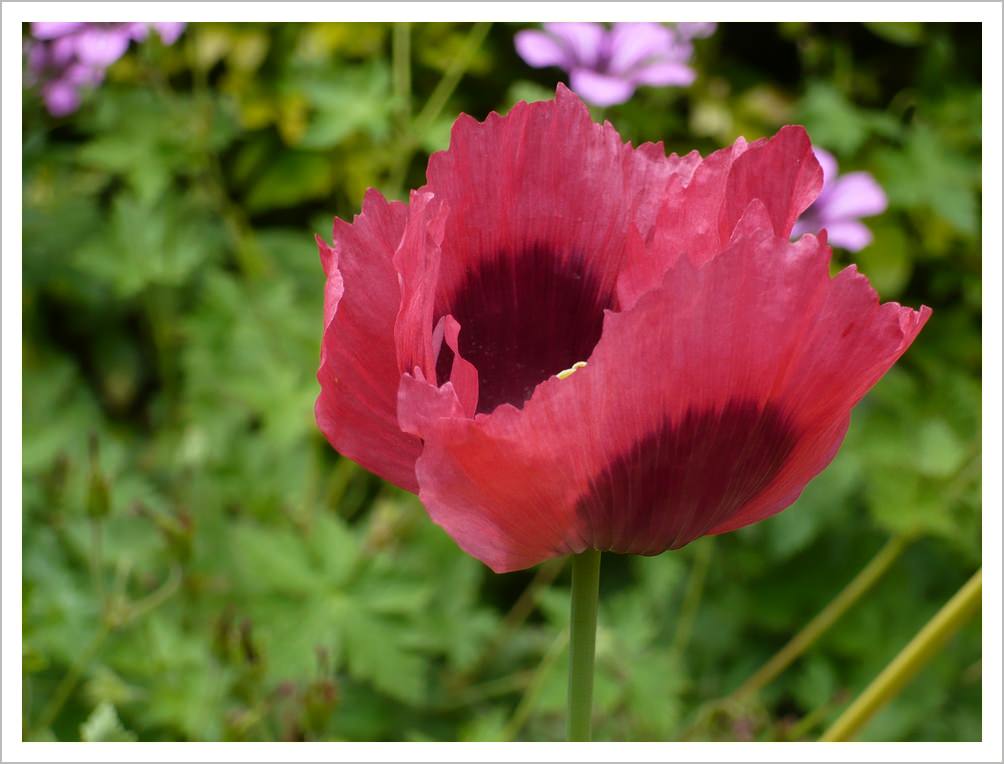
Papaver ‘Patty’s Plum’ is an oriental poppy with moody pink flowers in late spring.
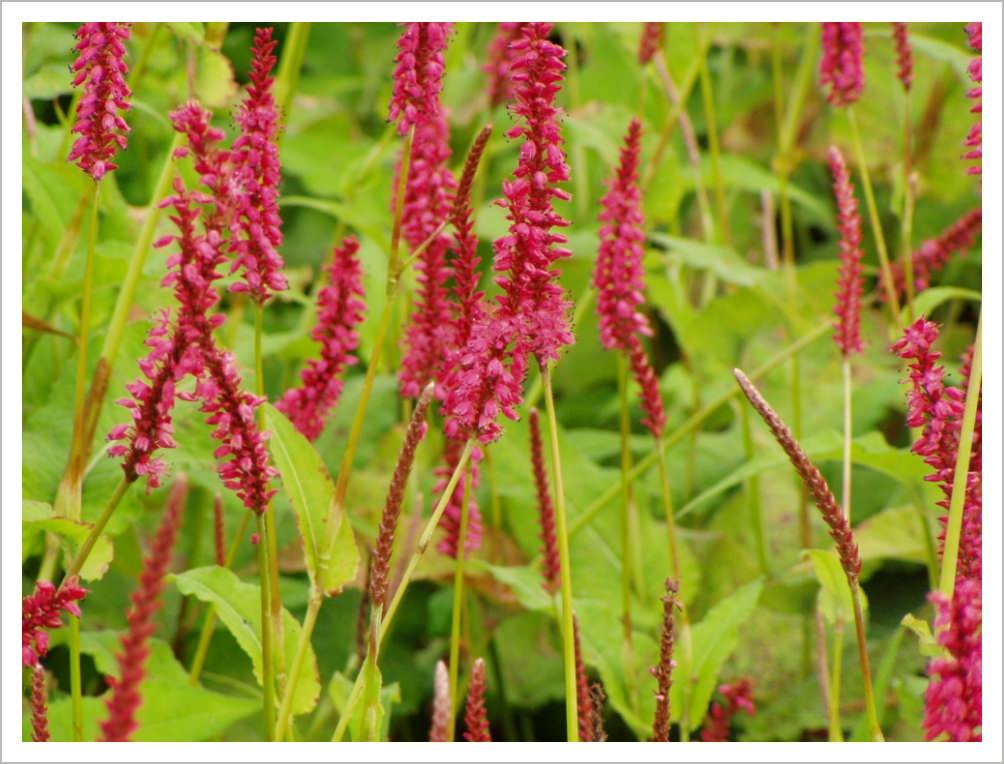
Persicaria amplexicaulis ‘Firetail’ is a large perennial with red flower spikes in late summer. It likes moist soil in sun or partial shade.
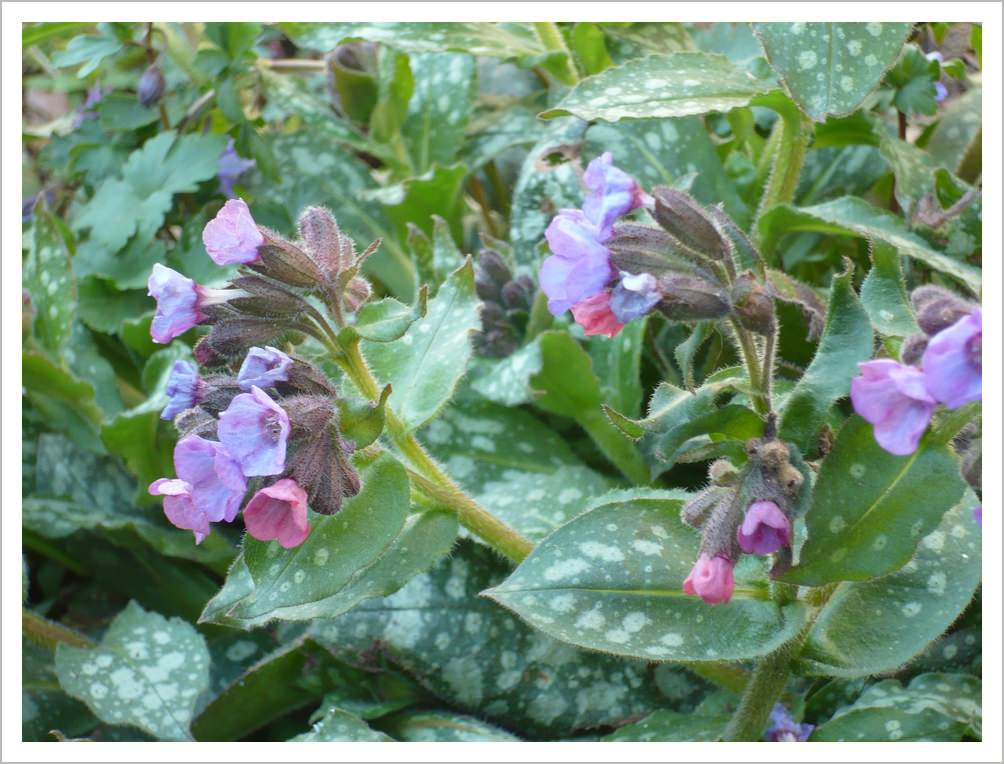
Pulmonaria are low growing spring flowering plants that are one of the first flowers to attract bees. They are good for a shady spot.
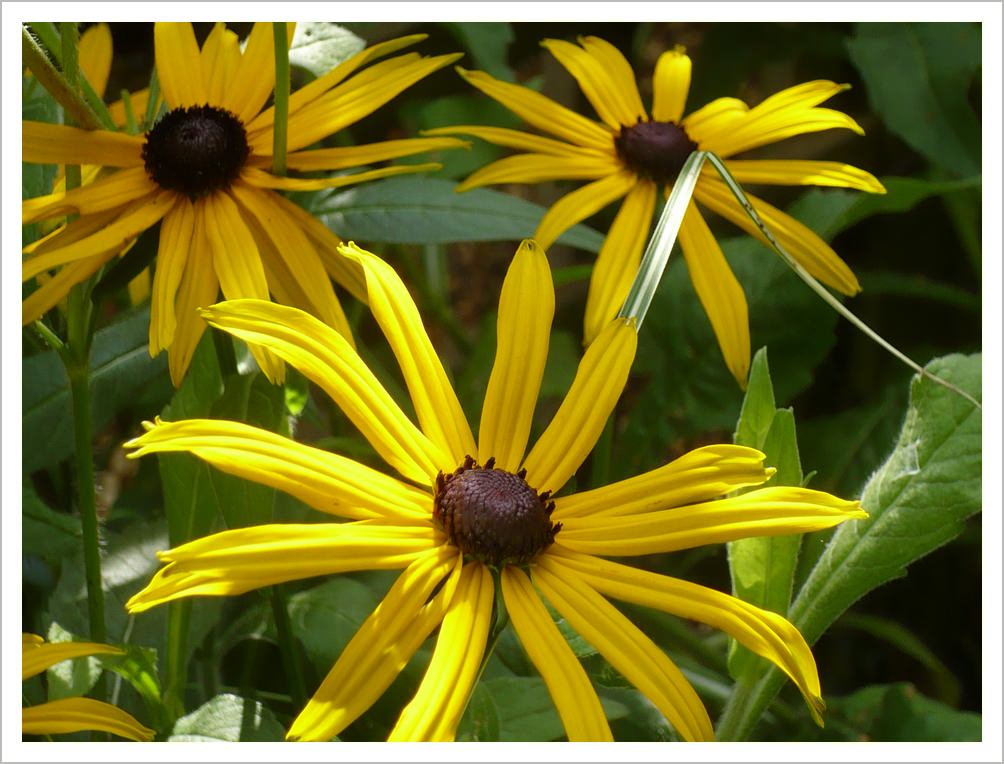
Rudbeckia fulgida ‘Goldsturm’ has bright yellow daisy-like flowers on tall stems in late summer.
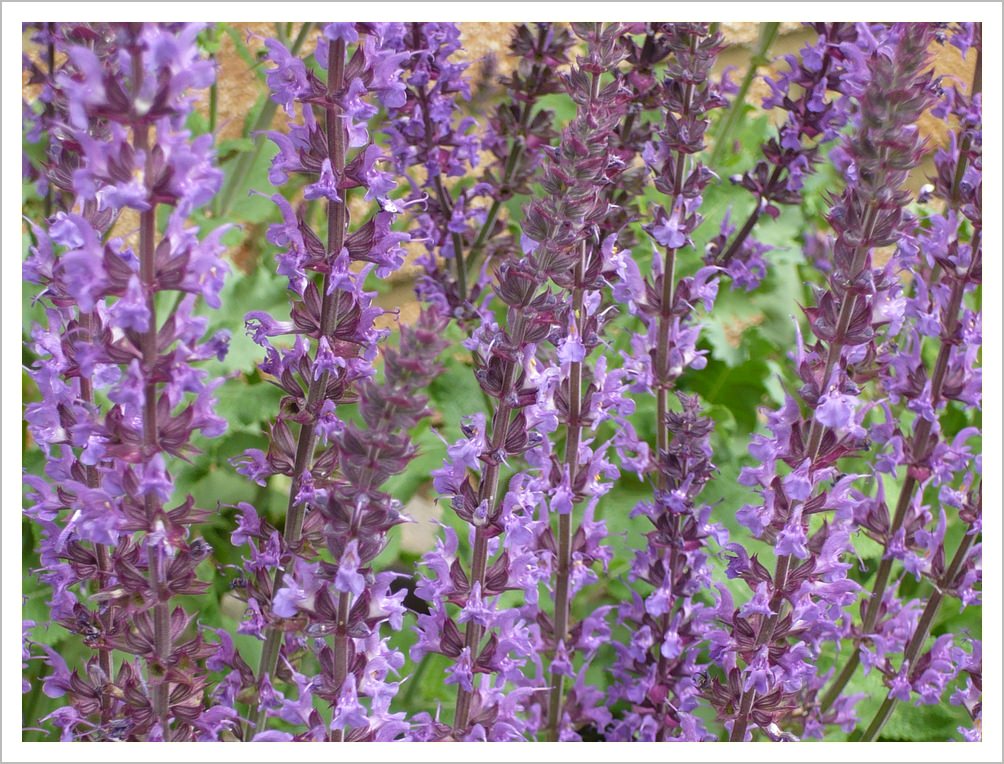
Salvia x sylvestris ‘Mainacht’ is a pretty plant for the middle of a sunny border or in dappled shade. It bears purple flower spikes in summer.
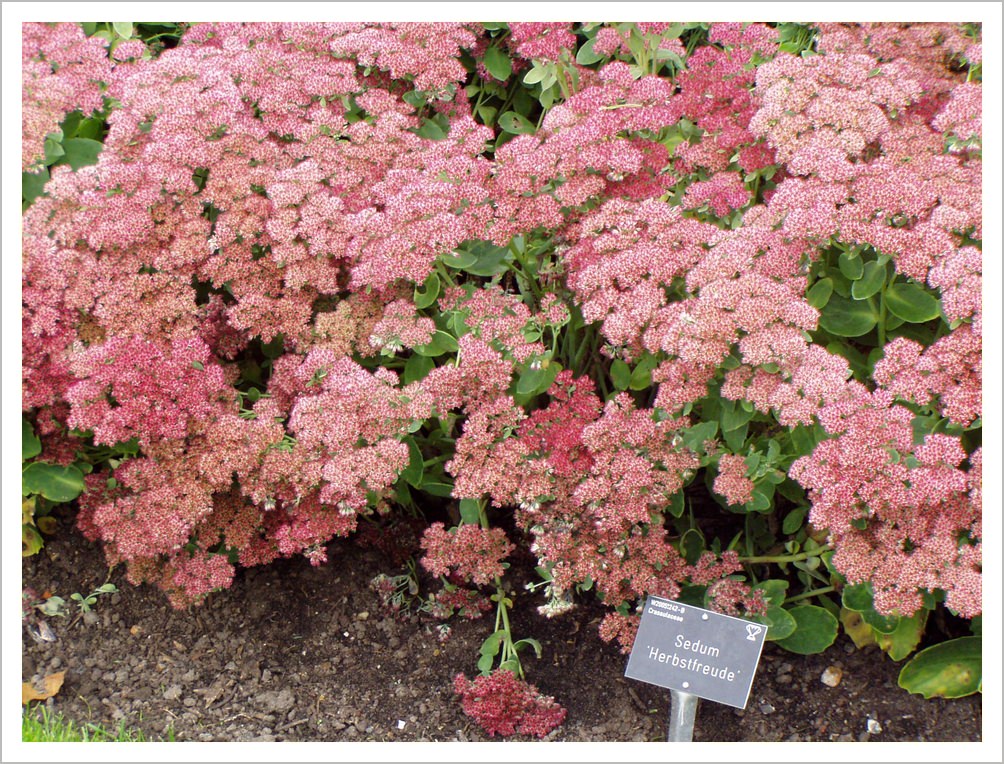
Sedum ‘Herbstfreude’ (Autumn Joy) is a late summer perennial with pink flowers that bees and butterflies love.
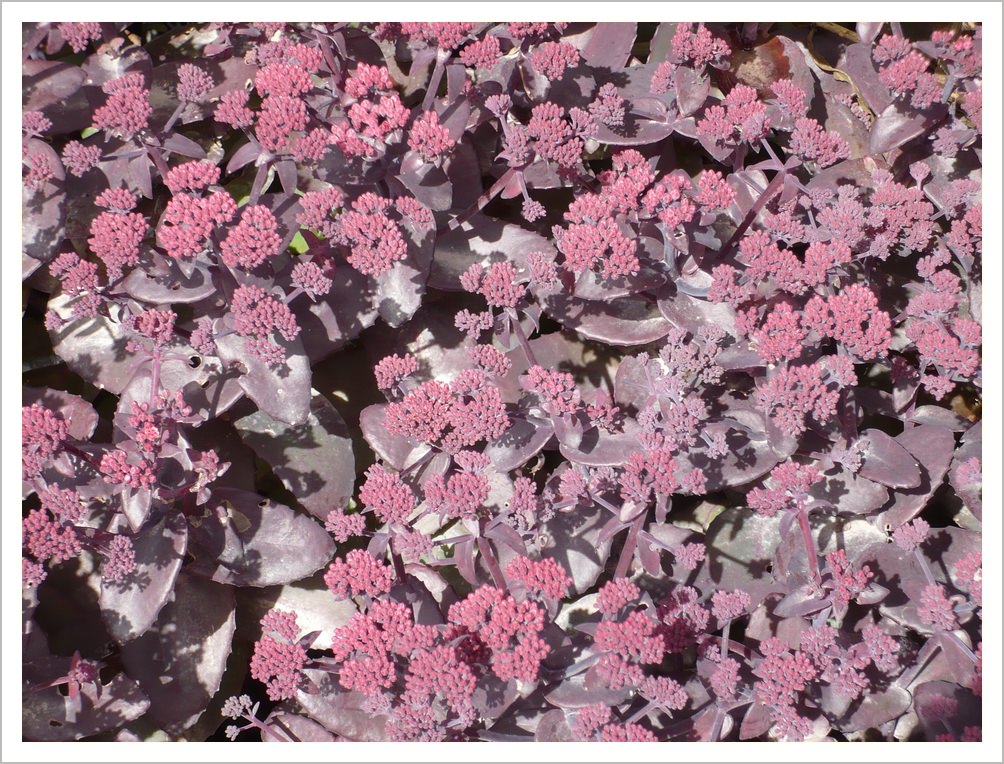
Sedum ‘Purple Emporer’ is a more compact Sedum with purple flowers in late summer which attract butterflies and bees.
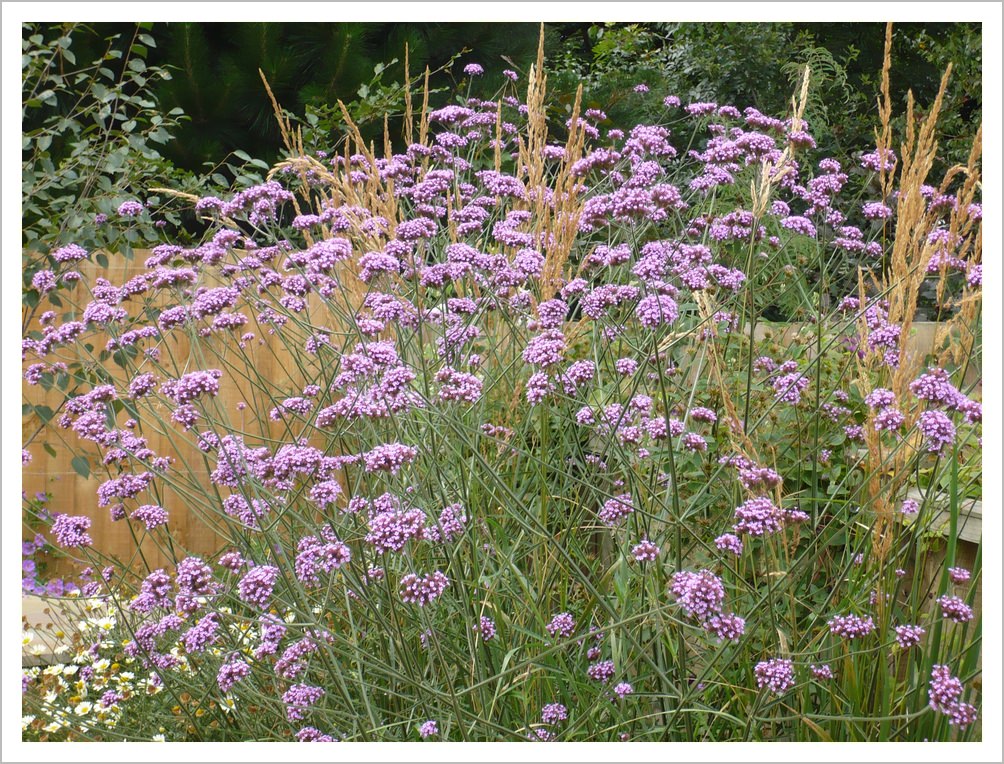
Verbena bonariensis is a late summer perennial with tall stems topped with tiny lilac flowers which bees love.